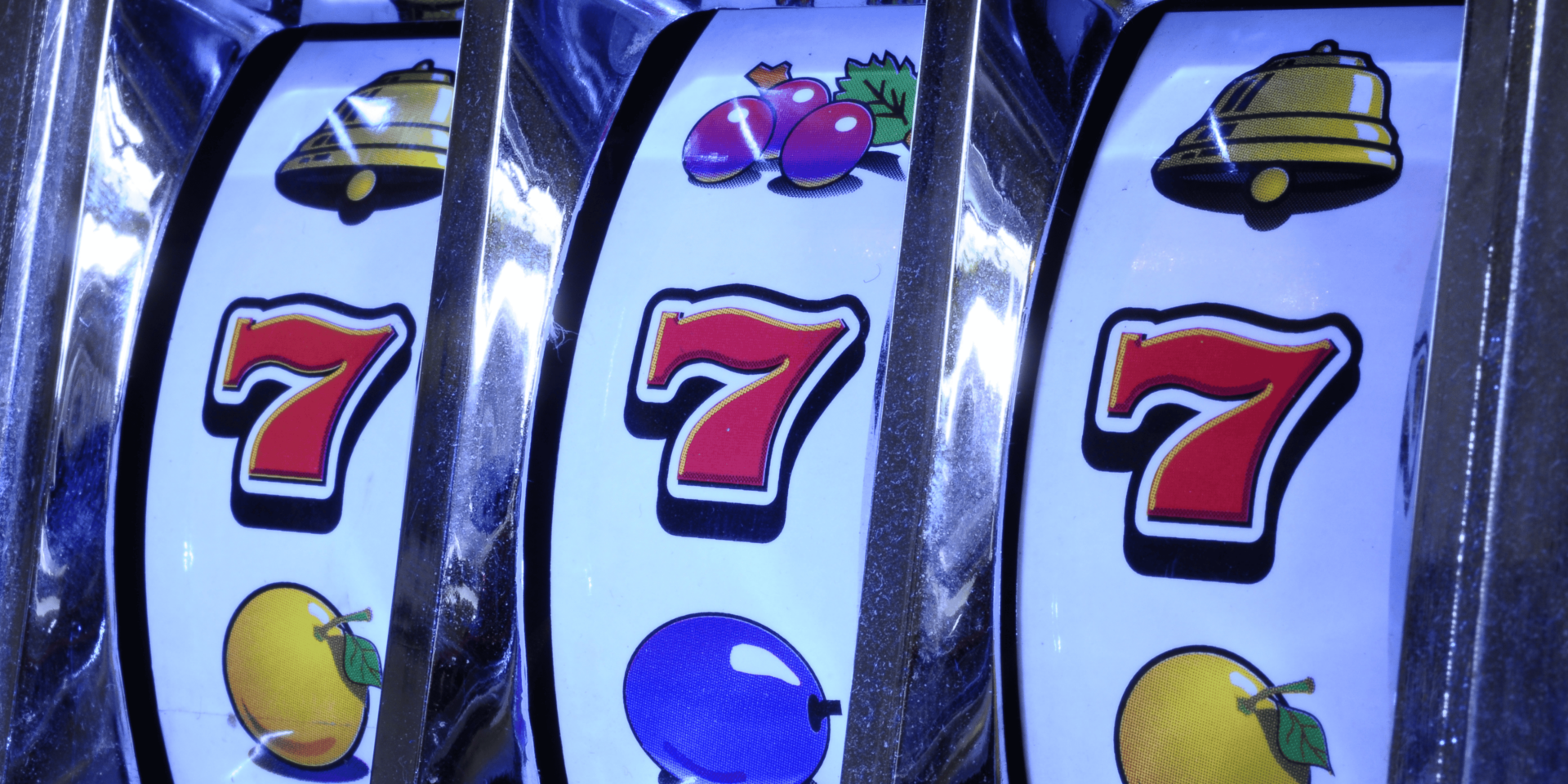
Game developers create the framework that controls win frequency, payout timing, and perceived randomness in online casinos.
Online casino games may appear based on luck, but behind each spin is a carefully crafted system. Developers design these systems to keep players engaged while managing risk and payout distribution. Understanding how these mechanics work reveals how much control developers have over the concept of “luck.”
Random Number Generators Drive Perceived Fairness
Game outcomes rely on Random Number Generators (RNGs) that developers program to maintain balance.
RNGs are core to every sweepstake and casino game. These systems generate numbers that determine where reels land or what cards are dealt. While the process appears random, developers set the conditions for how RNGs behave. This includes assigning odds to symbols, bonus triggers, and rare outcomes.
In a realistic session, a player hits several small wins in a row. The experience feels random, but the game is simply following programmed probability. The developer’s role is to make the outcome feel fair while preserving the house’s long-term advantage.
Return-to-Player Rates Are Pre-Configured by Developers
Every game has a return-to-player (RTP) percentage that controls how much players win over time.
RTP is a value that tells the system how much money the game should return to players over thousands of rounds. A game with a 95% RTP will, on average, pay out $95 for every $100 spent. Developers set this rate based on the desired balance between player retention and platform profitability.
In practice, this means a player may experience a hot streak or a cold stretch, but the overall payout ratio trends toward the RTP. Developers don’t control individual spins—they control the structure that guides long-term performance.
Volatility Settings Shape the Risk and Reward Balance
Game volatility defines how often players win and how large those wins tend to be.
Developers assign volatility levels to each game. High-volatility games offer fewer wins but larger payouts. Low-volatility games provide smaller, more frequent wins. This setting determines how a game feels—risky and thrilling or steady and predictable.
In a realistic play session, a user chooses a high-volatility game expecting excitement. They face a series of losses followed by a big payout. The developer has built this pattern into the game, not as a coincidence, but as part of the game’s intended experience.
Bonus Triggers Follow Set Probabilities
Bonus rounds activate according to programmed odds that simulate randomness but remain under control.
Bonus features are often marketed as rare events, but developers set exact probabilities for when they occur. These events are not based on player history or session length—they are triggered by conditions coded into the game.
A player spins repeatedly expecting a bonus round to activate after a certain number of turns. However, the system doesn’t operate on streaks. The developer has assigned a percentage chance, and every spin starts fresh. The illusion of timing is part of the game design.
Win Animations and Sound Cues Enhance Psychological Impact
Developers use sound and visual effects to make wins feel more significant, regardless of their size.
Casino games trigger lights, sounds, and animations during payouts to enhance the player’s emotional reaction. These effects are not random. Developers build them to make even small wins feel exciting, encouraging the user to continue playing.
In a realistic outcome, a player wins a small amount, but the game celebrates the win with music and flashes. The emotional response is disproportionate to the actual prize, but the developer designed it to feel that way—boosting retention through sensory cues.
Payline Structures Are Engineered to Appear Rewarding
Game developers adjust paylines to maximize engagement without increasing actual payouts.
Modern slot games use multiple paylines, diagonal patterns, or cluster systems. These structures increase the number of small outcomes while keeping the overall payout low. Players see frequent activity and feel like they’re making progress, even if they’re losing more than they win.
A user spins and sees partial matches across several paylines. While the return is small or even negative, the experience feels active. Developers intentionally design these moments to reduce disengagement and increase playtime.
Game Themes and Symbol Placement Drive User Decisions
Symbol distribution and visual themes influence how players select games and stay invested.
Developers choose themes, characters, and symbol placement to match player preferences. The layout may appear artistic, but it’s structured to guide attention and influence behavior. This includes how symbols align and how often near-wins appear on screen.
In a play session, a user repeatedly sees two bonus symbols and a third just above the line. This near miss is not accidental—it’s built into the game’s visual cycle. The developer creates this experience to simulate closeness and encourage one more spin.
Adaptive Game Mechanics Track Player Behavior
Some advanced platforms use behavioral data to adjust bonus timing or promotional offers.
While the game outcome remains tied to RNG, developers can integrate adaptive elements that respond to player patterns. These systems may delay or advance certain rewards based on session length, bet size, or previous win history. It’s a layer of design that reacts in real-time.
For instance, a player who hasn’t triggered a bonus in a while may receive a surprise spin or coin offer. The system monitors activity and delivers reinforcement to prevent drop-off. Developers use this tool to retain players without changing core game fairness.
Regulatory Standards Shape How Developers Code Games
Developers must follow strict regulations that define how games generate and display results.
Licensed sweepstake and casino games must meet legal standards for fairness and transparency. These regulations determine how RNGs operate, how RTPs are calculated, and how information is disclosed. Developers code within these rules while still creating compelling gameplay.
A platform audited by gaming authorities cannot rig outcomes, but developers can still influence how wins feel through structure, pace, and reward cycles. The balance between compliance and engagement is part of every game’s blueprint.
Luck Is Structured by Game Design
Player wins may appear random, but developers shape every part of the experience to drive engagement and control outcomes.
Behind every spin, card draw, or bonus round is a network of decisions made by game developers. They decide how often you win, how those wins are presented, and how the system responds to your behavior. RNGs create unpredictability, but developers guide the limits of what can happen.
Understanding this design helps players manage their expectations and recognize that luck in online gaming is not pure chance—it’s controlled randomness, engineered for balance and excitement.